2026 PRs (5)

< Compare Others

Compare Cyngn
vs. Seegrid

Somebody on your floor spends the shift driving carts back and forth. Seegrid's Tow Tractor S7 and Cyngn's Autonomous DriveMod Tugger both take that job. Here's how they compare on what the vehicle does, what it takes to deploy, and who supports it after.

How Does Cyngn Compare to Seegrid?
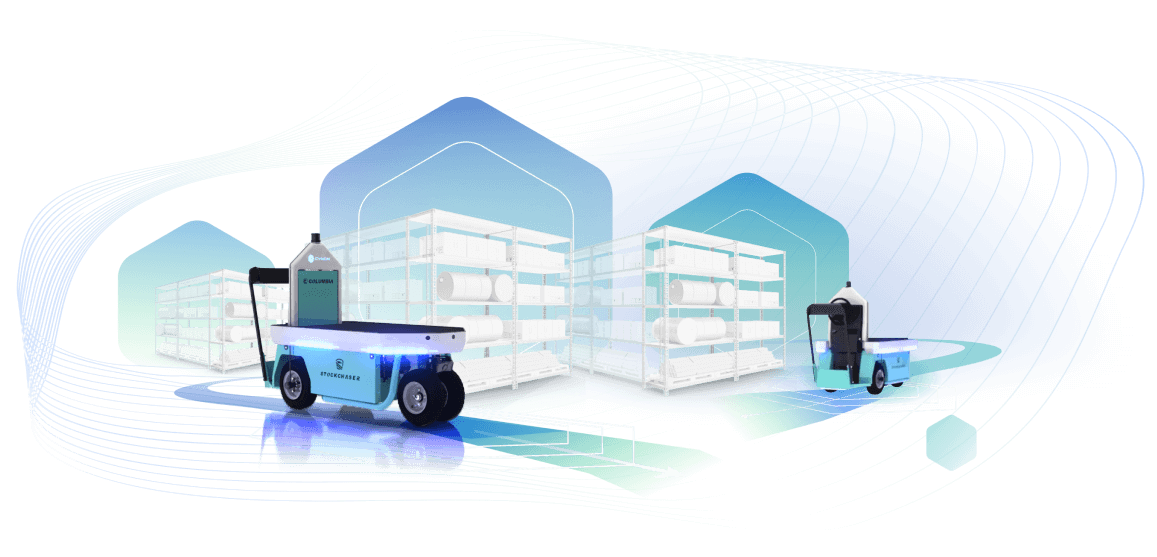
Cyngn's DriveMod Autonomous Tugger
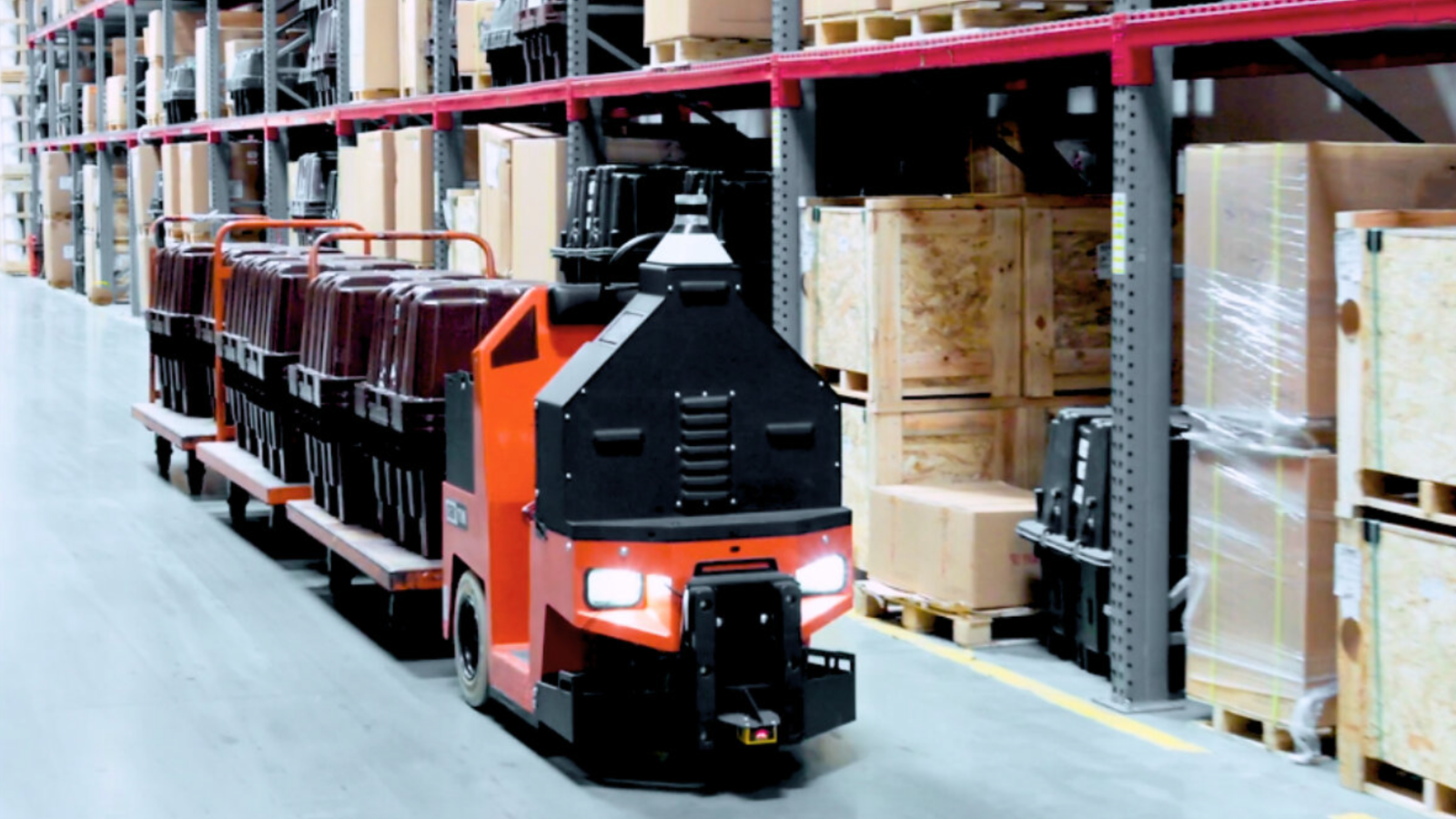
Seegrid Palion™ Tow Tractor
Pulls more than 10,000 lbs
Cyngn
Seegrid
Works in both manual and autonomous modes
Cyngn
Seegrid
Tows multiple carts
Cyngn
Seegrid
Maximum autonomous speed
Cyngn4 mph
Seegrid4.0 mph
Time to a running route
CyngnUnder 2 weeks
Seegrid18 week lead time
Pricing model
CyngnDeployment fee plus monthly subscription
SeegridOutright purchase
Deployment and setup processes
Getting Started
Seegrid Deployment

18 week lead time

Seegrid runs a four-phase engagement. Application engineers assess your facility and set a deployment strategy, a readiness phase prepares your layout and your staff for the vehicles, implementation engineers manage the install on site, and a support team takes over after. Four engineering roles touch the account.

Cyngn Deployment

Try one route first, on your floor, in under a month

You pick a route you already run. We come out, map it, set the stops, and train your team on safe operation. Then we stay on site until it's running the way you expected, and after that we're your support line. One route, one monthly payment, no capital request to find out whether it works on your floor.

Operations
Running It Day to Day

Your team dispatches both remotely. What changes is who starts the work. Seegrid ties it to your systems, so a scanner or a conveyor can raise a job and the queue picks a truck. Cyngn puts a tablet at the pick-up station, so the person who needs the cart sends for it and gets on with their day.

Both give you
Missions built without code
Deploy from a desk, anywhere
Queue a full shift at once
Change routes yourself in the software, no engineer
Manual control when you want it
Live status and location
Battery monitoring
Throughput and cycle-time metrics
Run several from one place
Service and Maintenance
What happens when something breaks?
Cyngn

Two channels. The truck is a heavy-duty Motrec, so brakes, tires, drivetrain and battery go through the Motrec dealer network. The autonomy is on us, kept running by a U.S.-based team that knows your deployment.

Seegrid

One channel. The S7 is purpose-built, so mechanical faults and autonomy faults both route to Seegrid, and a technician travels to your site.

What you get either way
  • Preventative maintenance
  • Support included, no separate service contract
  • Software updates
  • Tiered issue resolution
  • A named team on the account
Picking the Right Truck to Automate
Why a Tugger and Not a Fourth Forklift

A tugger runs the whole back-and-forth, drops its own carts, and moves among everything else on your floor so the rest of your fleet stays on the work it's built for.

Map a week of material movement across your floor plan and the picture tends to come back the same: trucks crossing the same ground over and over, most of them carrying one load at a time. Lifting is what a forklift is built for. The haul in between is a different job.

See the spaghetti map breakdown
Spaghetti map of a plant floor showing material movement paths crossing the same ground repeatedly
comparison-pages-faq-new-02
icon-autonomous

What to Consider When Choosing an Autonomous Vehicle Solution

What’s the deployment process?

Bringing self-driving vehicles to your business should be a quick and easy process. Look for a solution that can be seamlessly integrated into your existing infrastructure and comes with a dedicated engineering team that works with you to meet your unique business requirements.

Should I work with legacy OEMs or new entrants?

If you would like to invest in AVs that have been proven and long-established in the market, it is best to work with legacy OEM vehicle types. Consider the maintenance requirements, reputation, and quantifiable performance for new entrants vs. a time-tested industrial vehicle brand.

What are the safety features in place?

Every aspect of a provider’s AV technology should be designed with safety in mind. 
This is why it’s crucial that you ask about the system’s sensors, communication lights, and redundancies that will keep your employees and your assets out of harm’s way.

What is the pricing model?

If you’re worried about the expense or complexity of implementing this technology, then it’s important to consider a flexible, subscription-based model. This allows you to pay fees on a monthly basis, rather than purchasing your autonomous vehicles outright.

Plain-polygon-icon-01

See What Our Customers Are Saying

Kenn Morris | VP at Global Logistics & Fulfillment

"The bottom line is DriveMod has made us more productive. Instead of manually moving goods through the warehouse, our team can stay focused on picking, packing, and other high-value assignments."

Joseph Peterson | GM & Plant Manager at Flambeau

"Cyngn unlocks the potential for us to increase throughput and decrease time to market from the manufacturing floor. We’re excited for increased profitability and to get to market faster than competitors."

The above illustration is being provided for general informational purposes only. Cyngn Inc. (“Cyngn”) does not make any warranties about the completeness, reliability and accuracy of this information. Cyngn is not affiliated or related to Seegrid in any way. The information regarding Seegrid Palion™ Tow Tractor is based on Cyngn’s data and good faith research and the information is subject to change.